Your cart is currently empty!
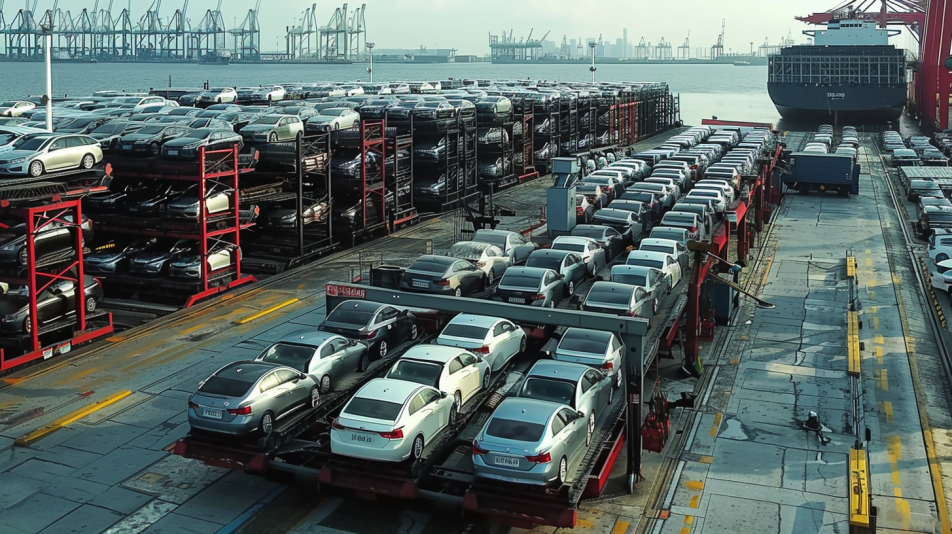
China’s Automotive Industry: A New Era of Growth Through Trade-In Policies
China’s automotive industry is poised for significant growth driven by trade-in policies. With an estimated future vehicle ownership of 500 million units and annual sales of 46 million units, the market has considerable potential. In 2023, China’s vehicle ownership stood at 336 million units, with an annual sales volume surpassing 30 million units. The trade-in policies are expected to boost sales and vehicle ownership further, with 2024 projections indicating sales of over 33 million units and ownership exceeding 350 million units.
The development of New Energy Vehicles (NEVs) is also accelerating. By 2027, NEV sales are expected to reach 18 million units, capturing 50% of the market share, driven by subsidies encouraging the replacement of older vehicles. Additionally, trade-in policies will improve the second-hand car market, making it more regulated and expanding its role as a vital industry segment.
Automakers are increasingly involved in the entire automotive lifecycle, including production, sales, finance, insurance, and recycling. The growing integration of data assets, driven by AI, will further enhance the competitiveness of automakers. The push for hybrid and energy-efficient vehicles continues, with plug-in hybrids becoming a key market segment.
Furthermore, China’s vehicle scrappage and recycling industry is expected to grow significantly, with the scrappage volume doubling by 2027. The trade-in policies will also stimulate second-hand car exports and the development of a sustainable automotive ecosystem, including energy storage and charging infrastructure.
As China’s automotive market continues to expand, trade-in policies will play a crucial role in shaping its future, promoting sustainable growth across various industry segments.
Leave a Reply