Your cart is currently empty!
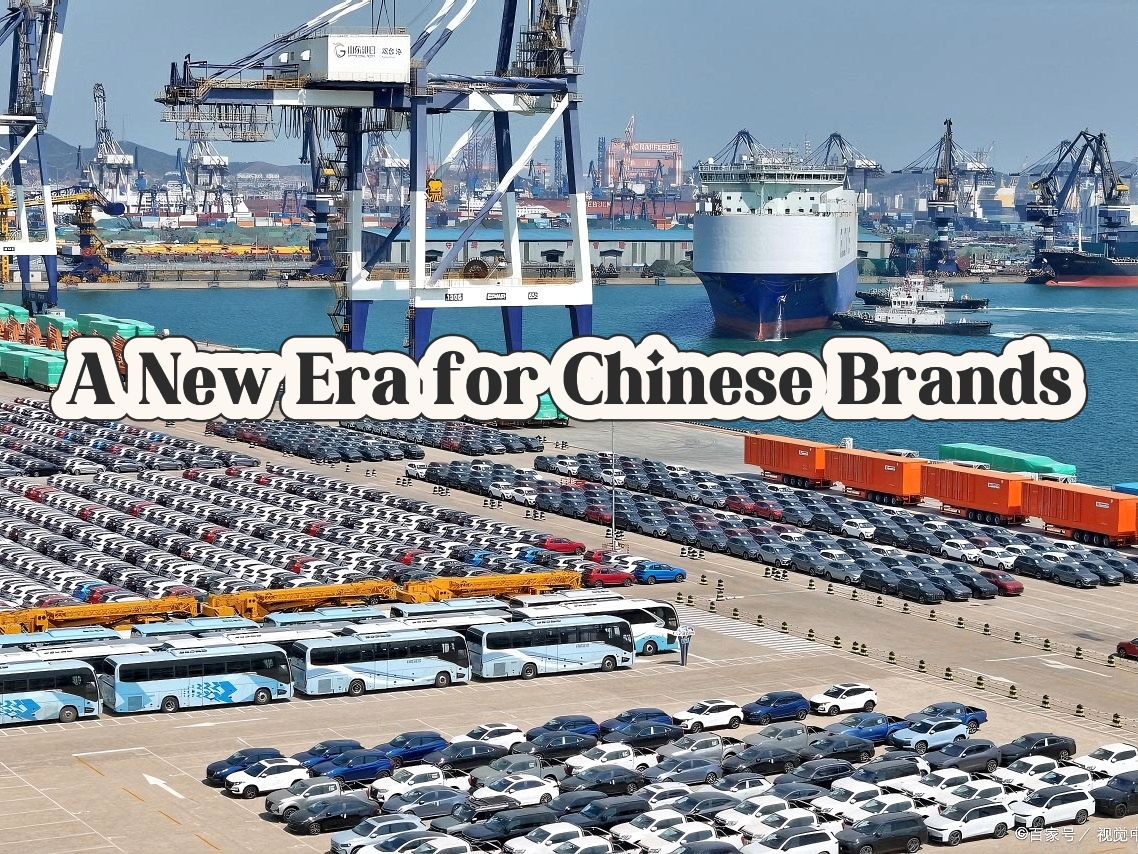
China’s Auto Export Surges 60%: A New Era for Chinese Brands
China’s Auto Export Surges 60%: A New Era for Chinese Brands
July 2026 | Industry Analysis
According to CPCA Secretary-General Cui Dongshu (July 4, 2026), Chinese automotive brands achieved remarkable results:
May 2026: 440,000 units overseas, +60% YoY
Jan–May 2026: 1.96 million units cumulative, +60% YoY
Total auto exports: 4.24 million units, +49% YoY
NEV exports: 1.89 million units, +61% YoY
NEV global share: 23.5%
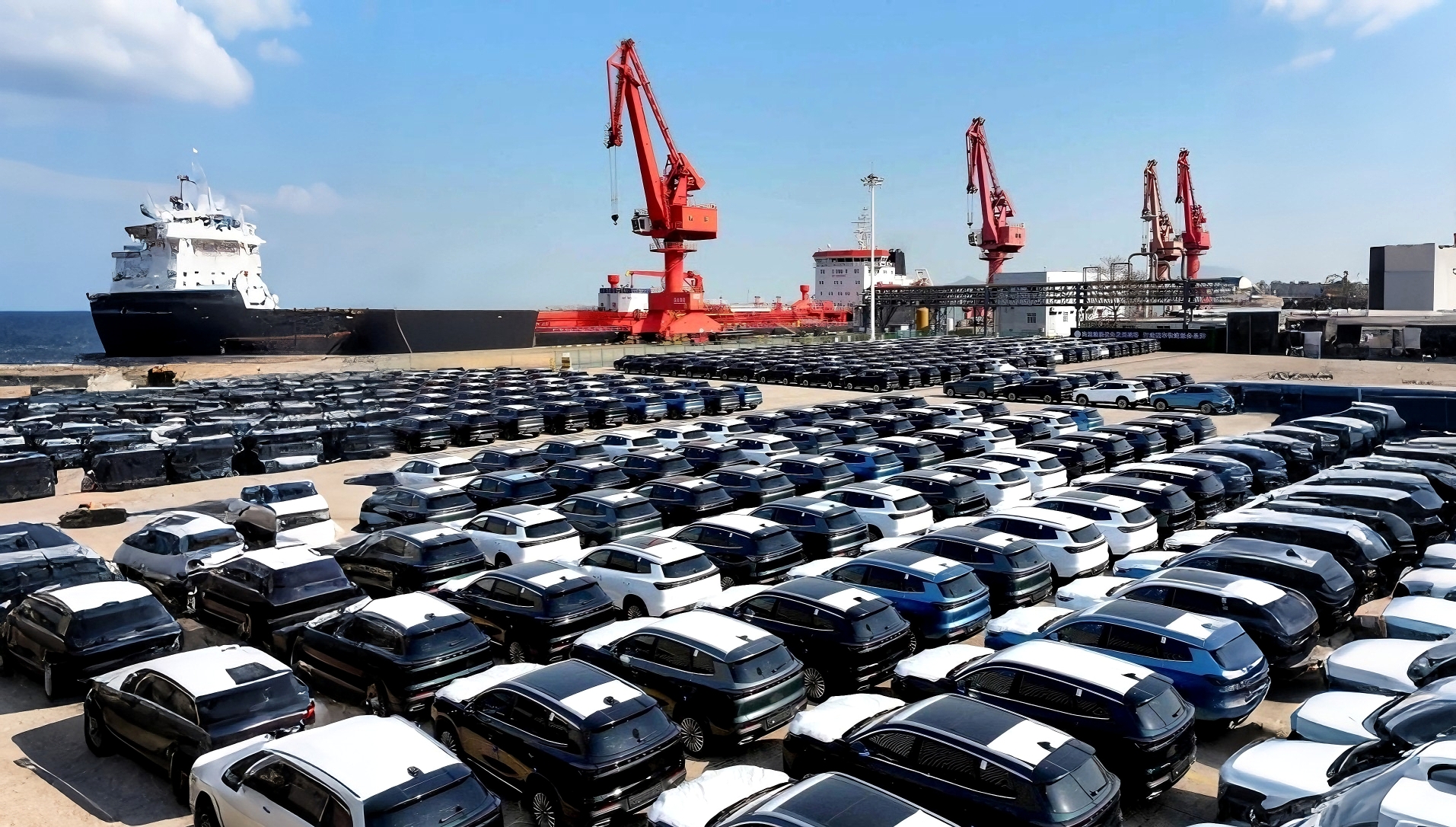
China Car Export Port
Top Export Destinations (May 2026)
| Country | Units | YoY Growth |
| Russia | 94,301 | +72,362 |
| Brazil | 90,242 | +42,772 |
| Australia | 54,027 | +20,670 |
| Mexico | 46,156 | – |
| Thailand | 39,626 | +29,326 |
| UK | 38,700 | – |
| Italy | 32,427 | +22,207 |
Regional market share: Southern Hemisphere 20% | Europe 11% | Southeast Asia & Middle East 8%
NEVs: The Growth Engine
New energy vehicles drive the export surge:
May NEV exports: 463,000 units (+59% YoY)Southern Hemisphere NEV share: 79%Southeast Asia NEV share: 46%
Powertrain mix shifting toward flexibility: BEV 29% | PHEV 17% (+4%) | HEV 9% (+4%)
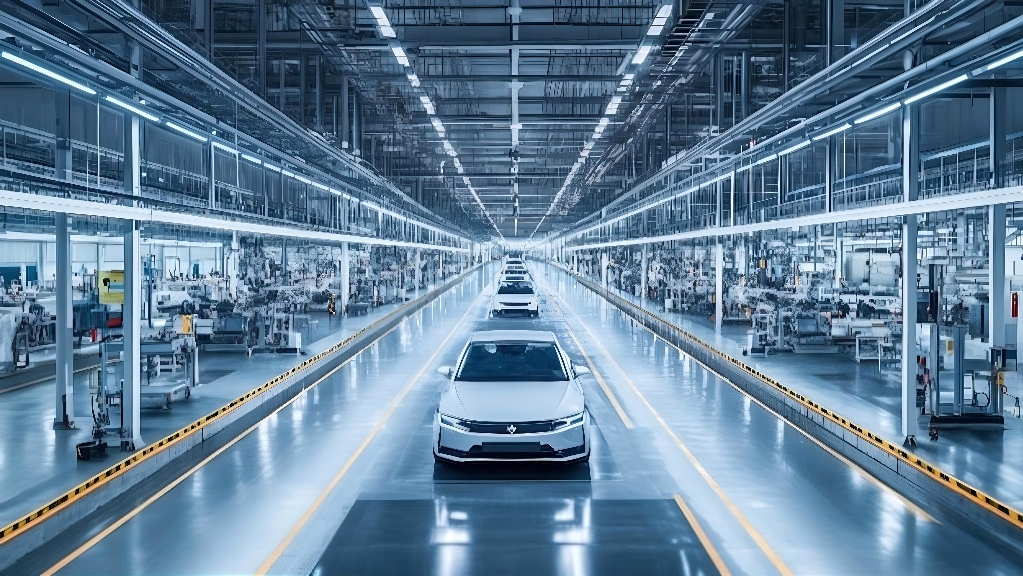
Modern Production line
Top Brands Leading the Charge
| Brand | May Exports | YoY Growth | Key Markets |
| Chery | 181,900 | +80.5% | Russia, Brazil, South Africa |
| BYD | 160,177 | +80.7% | Global expansion |
| SAIC | 120,000 | – | Europe (MG brand) |
| Great Wall | 50,700 | +46.8% | Russia, South Africa |
| Geely | 371,000 (Jan-May) | +158% | Russia, Saudi Arabia |
Notable: Great Wall Motor recorded its first month where overseas sales exceeded domestic sales.
From Export to Ecosystem
Chinese automakers are evolving beyond simple trade:
1. KD Assembly→ Initial market entry, local manufacturing2. Localized Production→ Complete supply chains, joint ventures3. Brand Building→ Distribution networks, regional control centers
Examples: XPeng’s Malaysia factory (June 2026), Leapmotor’s Spain battery facility.
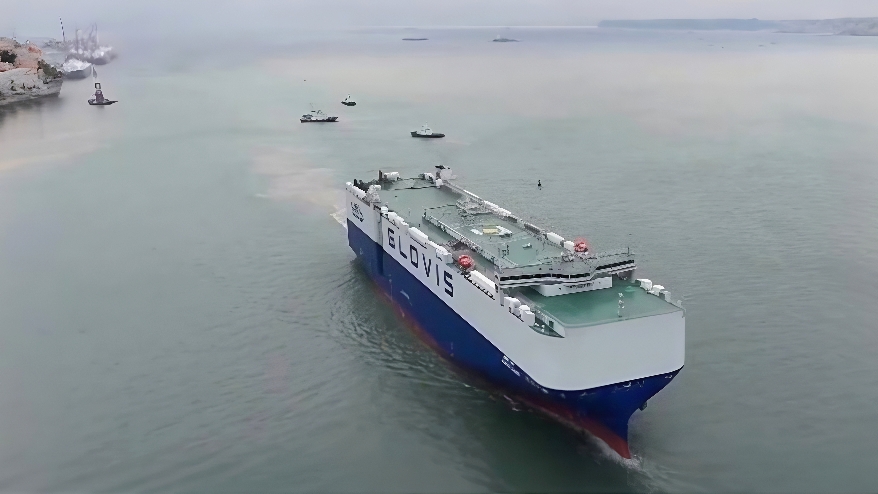
EV Cargo Ship Transport
Challenges Ahead
EU tariffs: 17.4%–38.1% anti-subsidy duties proposedRegulatory compliance: Carbon footprint, battery regulationsBrand perception: Moving beyond “budget” imageAfter-sales infrastructure: Building service networks globally
The Bottom Line
China’s 60% YoY export growth in 2026 signals a permanent shift in the global automotive landscape. Chinese brands are no longer challengers—they are established players with competitive NEV technology, complete supply chains, and strategic market presence.
For international buyers, this means access to world-class vehicles at competitive prices with increasingly sophisticated support infrastructure.
Data: CPCA, CAAM, Customs General Administration
Leave a Reply