Your cart is currently empty!
Chinese Brands Have Overtaken Japanese Automakers in Europe — Here’s What It Means for Global Car Buyers
Chinese Brands Have Overtaken Japanese Automakers in Europe — Here’s What It Means for Global Car Buyers
A Historic Milestone
For the first time in automotive history, Chinese car brands have outsold Japanese automakers in Europe — not just once, but for two consecutive months.
According to the latest data from the European Automobile Manufacturers’ Association (ACEA), five major Chinese automakers — Geely, SAIC (MG), BYD, Chery, and Leapmotor — sold a combined 171,630 vehicles across 31 European markets in June 2026, capturing approximately 13% market share. In contrast, six major Japanese brands — Toyota, Nissan, Suzuki, Mazda, Honda, and Mitsubishi — registered 158,540 units with just 11.1% share.
The gap? 13,090 more Chinese vehicles on European roads in a single month.
The Numbers Don’t Lie

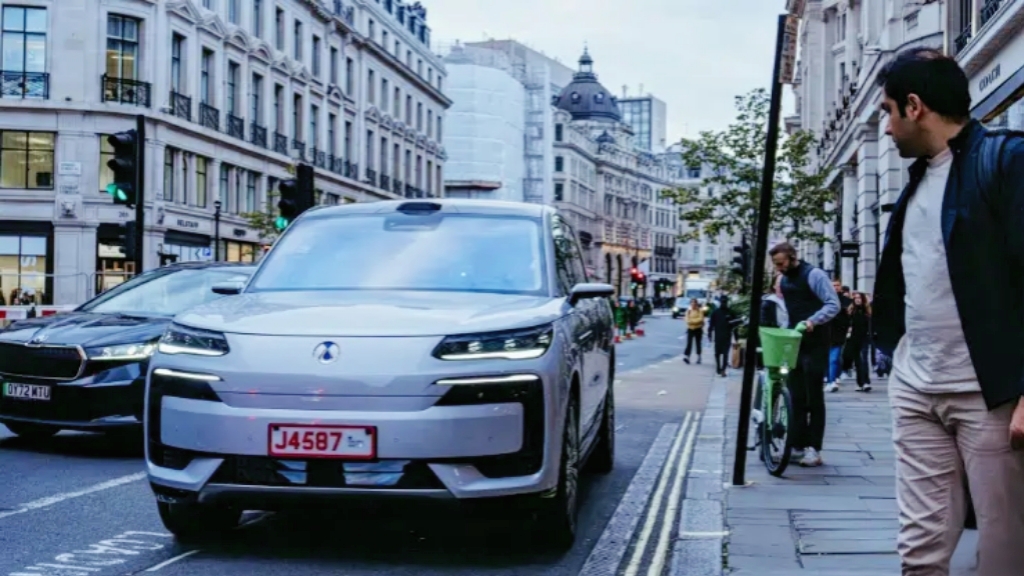
Chinese brands are now a common sight on European roads.
Here’s the breakdown by brand for June 2026:
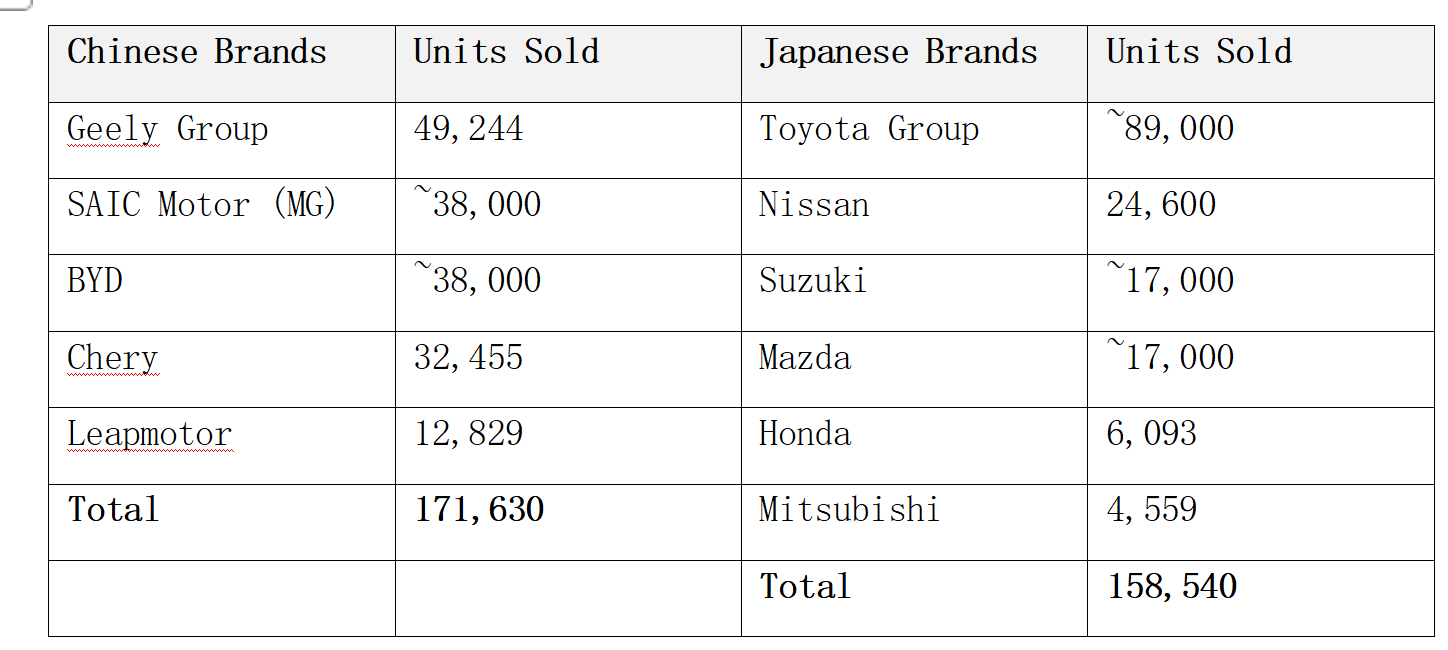
Compared to June 2025, Chinese brand sales surged +130.8% year-on-year, while Japanese brands saw mixed results — with Nissan down 4.9% and Mitsubishi down a staggering 31%.
Why Are Chinese Cars Winning in Europe?
1. Native EV Platforms Built From the Ground Up
Chinese automakers aren’t converting gas cars into electric — they’re building purpose-designed EV platforms. BYD’s e-Platform 3.0, Geely’s SEA architecture, and Chery’s E0X platform deliver superior range, efficiency, and space utilization compared to legacy “oil-to-electric” conversions.
2. Dual Powertrain Strategy: BEV + PHEV
While Japanese brands doubled down on traditional hybrids (HEV), Chinese companies deployed a “pure electric + plug-in hybrid” dual strategy that precisely matches Europe’s evolving policy incentives. PHEV exports from China grew over 600% last year — a category largely absent from Japanese export lineups.
3. Unmatched Price-to-Performance Ratio
Even with EU tariffs reaching up to 45.3% on Chinese-made EVs, Chinese vehicles remain competitively priced. The BYD Dolphin Surf Boost starts at €26,990 in Germany — 3% cheaper than the comparable Renault 5 E-Tech. Meanwhile, Chinese models typically offer Level 2+ autonomous driving, advanced ADAS, smart cockpit systems, and premium interiors as standard features that European competitors charge extra for.
4. Rapid Localization
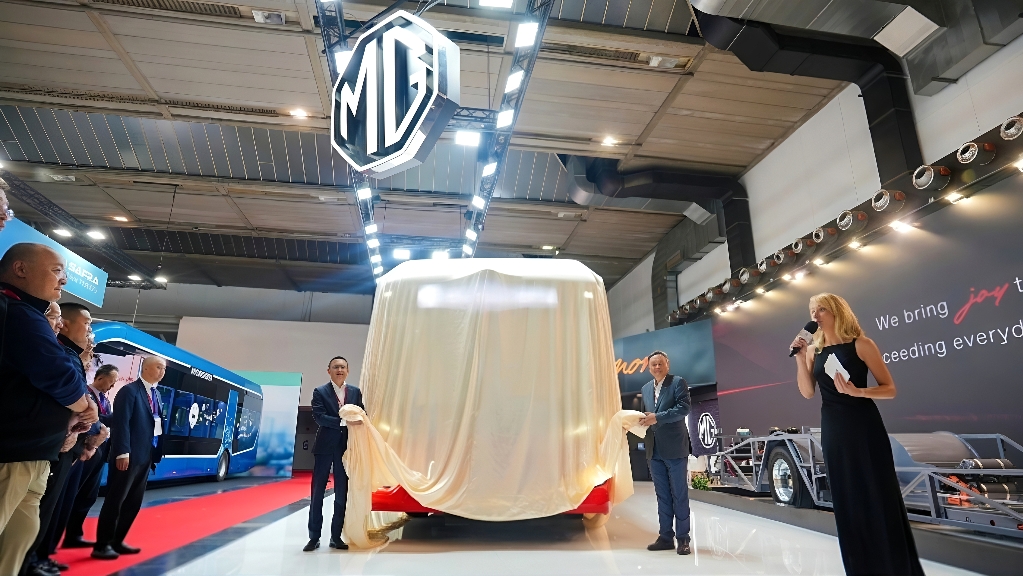
Chinese brands are investing heavily in European manufacturing:
• BYD — Hungary factory entering production (Q4 2026), planning a second European plant
• Chery — Joint venture in Barcelona with former Nissan factory, targeting 150,000 units/year by 2029
• Geely — €221 million investment in Ford’s Spain Valencia plant
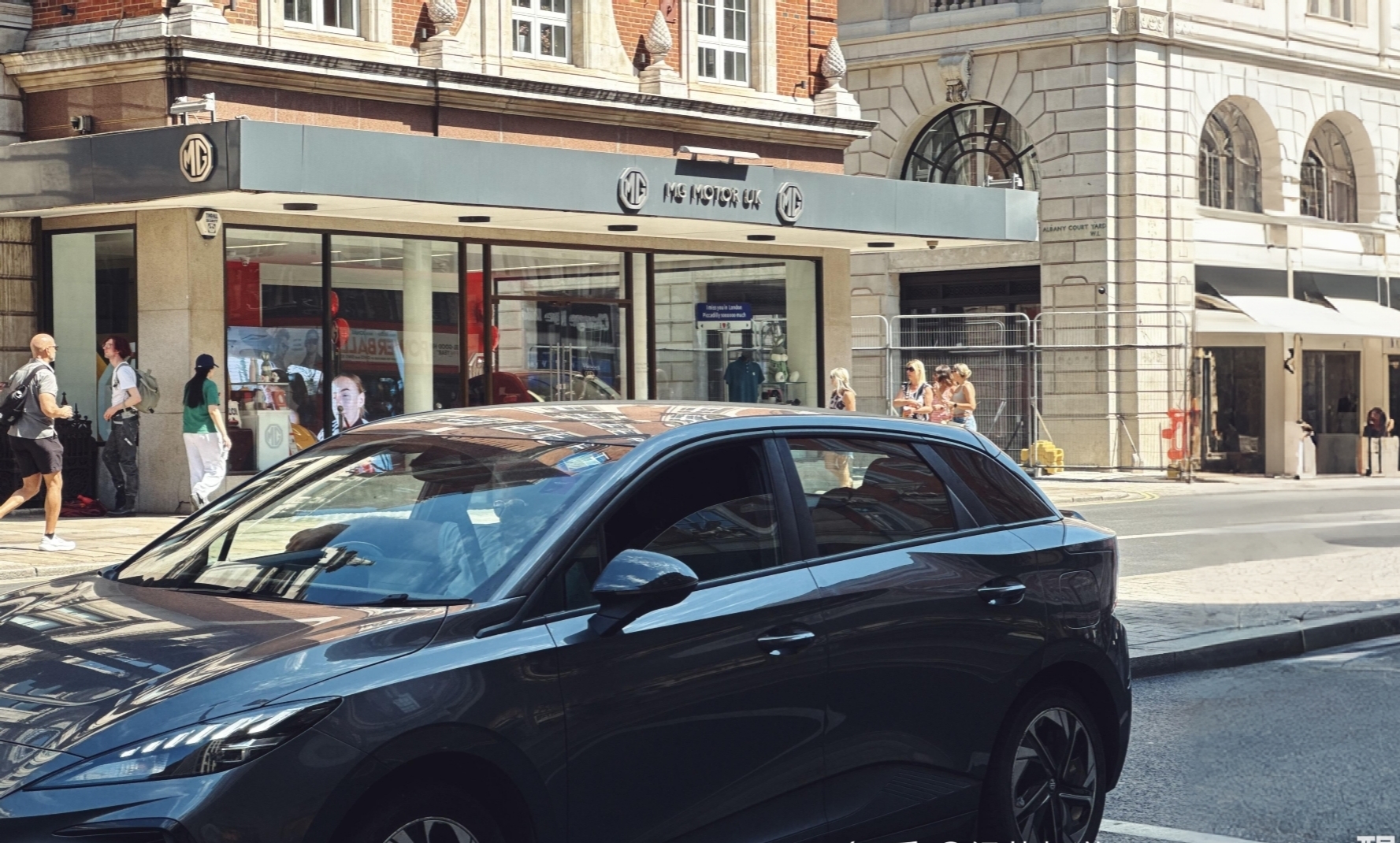
• SAIC (MG) — New factory confirmed in Spain
• Leapmotor — Assembling SUVs at a Stellantis plant in Spain
5. Smart Technology Leadership
German automotive researcher Beatrix Keim puts it bluntly: “When European consumers consider buying an electric vehicle, they don’t even include Japanese models in their shortlist.”
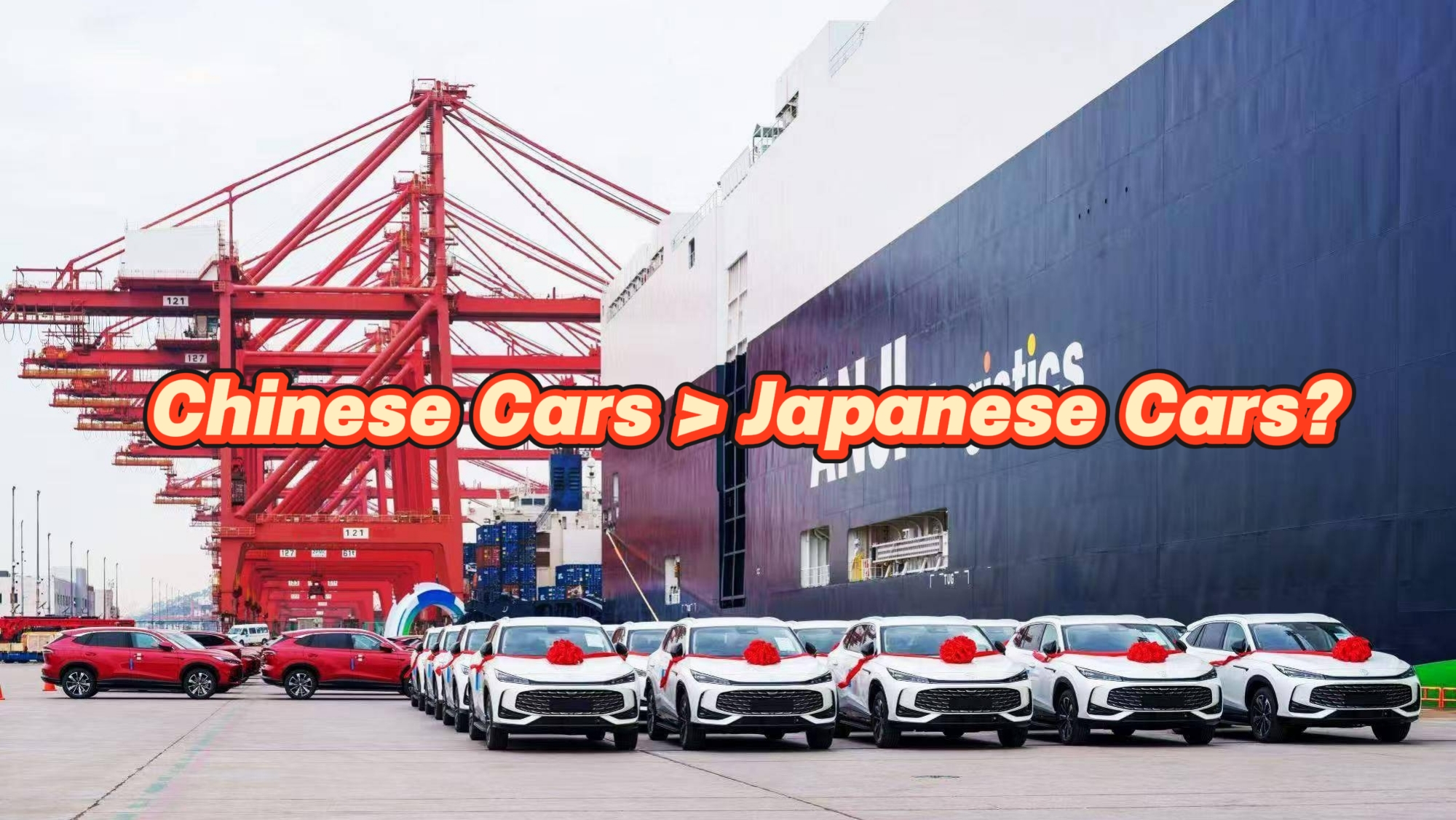
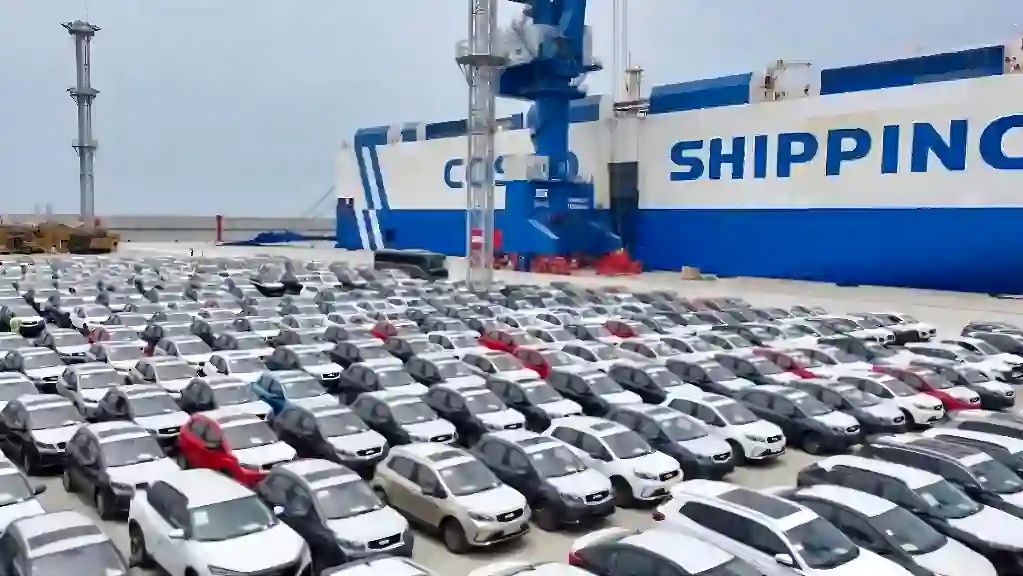
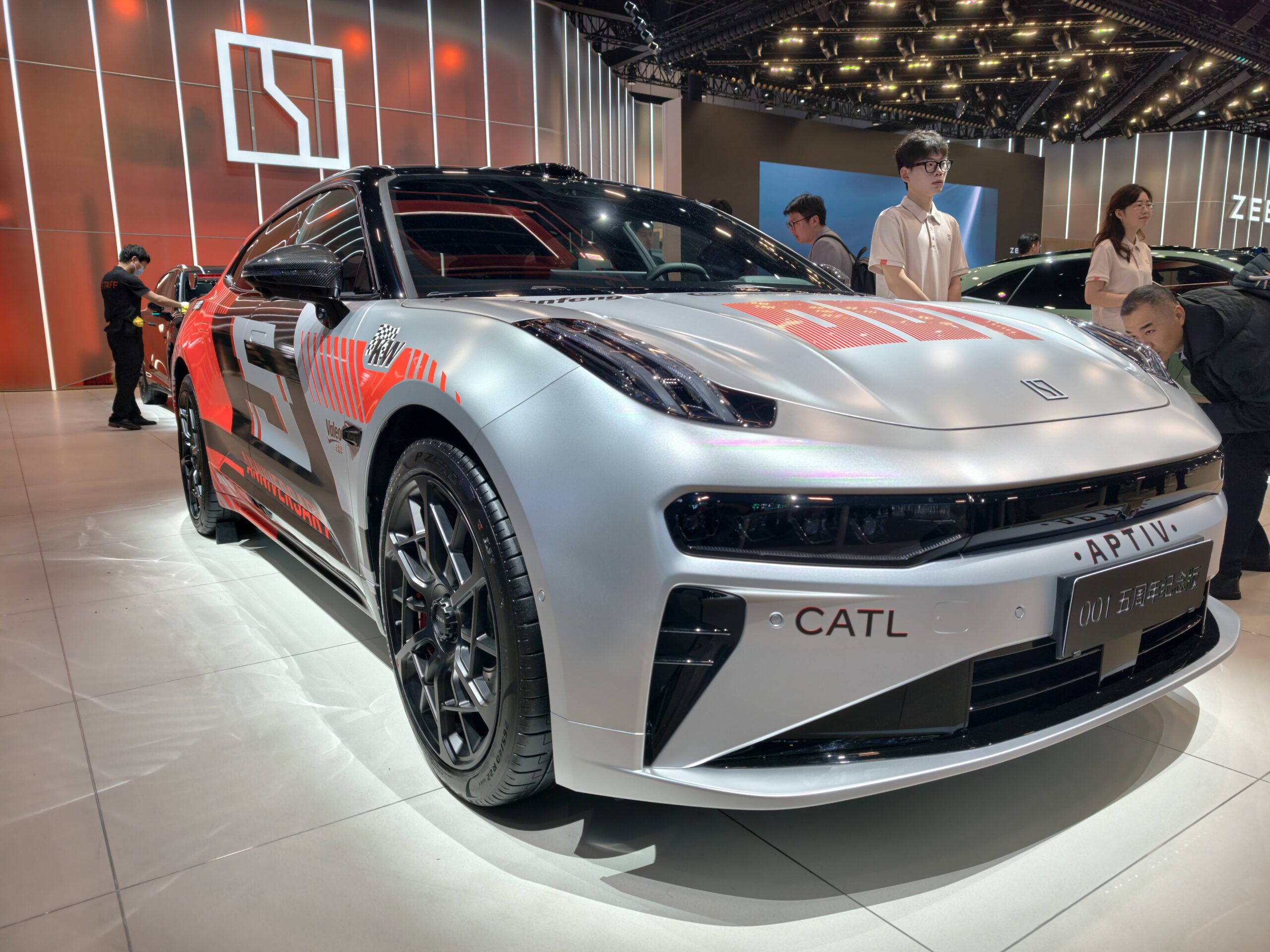
The reason? Chinese brands offer cutting-edge LFP battery technology, LiDAR-equipped ADAS, over-the-air updates, and integrated smart ecosystems — features that Japanese EV lineups simply haven’t matched.Thousands of Chinese vehicles at port, ready for global delivery.
What This Means for Global Buyers
If you’re importing vehicles to emerging markets — whether in Russia, Central Asia, the Middle East, North Africa, or Latin America — this European data point tells you something critical:
Chinese cars are no longer “the cheap alternative.” They are the technology leaders.
When European consumers — known for their demanding standards and brand loyalty — are switching to Chinese vehicles at this pace, it signals a fundamental shift in the global automotive landscape.
For Dealers and Importers:
• Product maturity: Chinese EVs and PHEVs have been stress-tested in the world’s most competitive market
• Brand recognition is growing: BYD, Geely, and Chery are now household names in 31+ countries
• Resale value improving: As brands establish service networks and local production, residual values are rising
• Diverse lineup: From compact EVs to full-size SUVs, pickup trucks to luxury sedans — Chinese manufacturers cover every segment
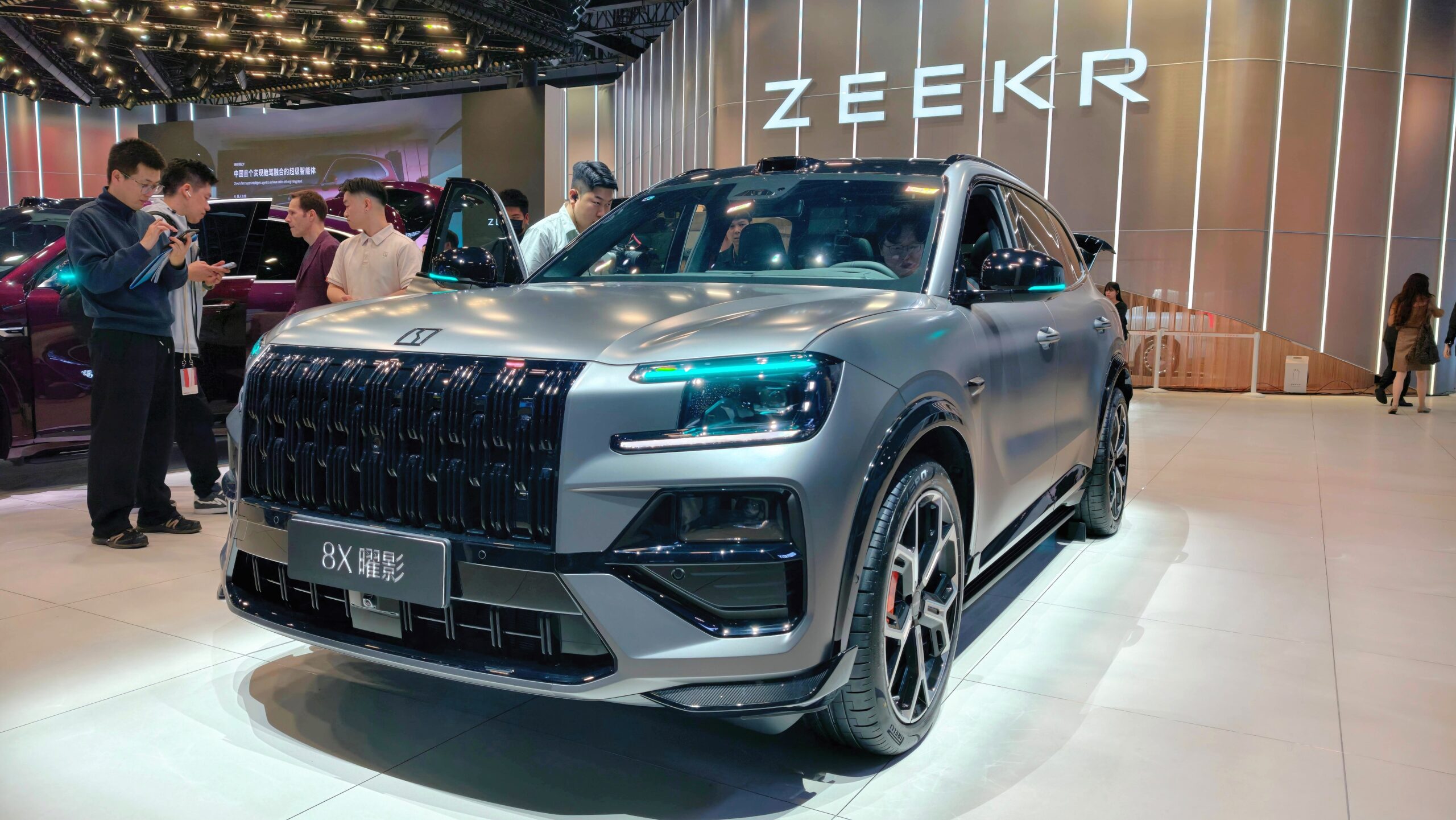
The future of the global auto industry is being written now — and Chinese brands are leading the charge.
Data sources: European Automobile Manufacturers’ Association (ACEA), China Association of Automobile Manufacturers (CAAM), Reuters, Nikkei Asia, 第一财经
Leave a Reply