Your cart is currently empty!
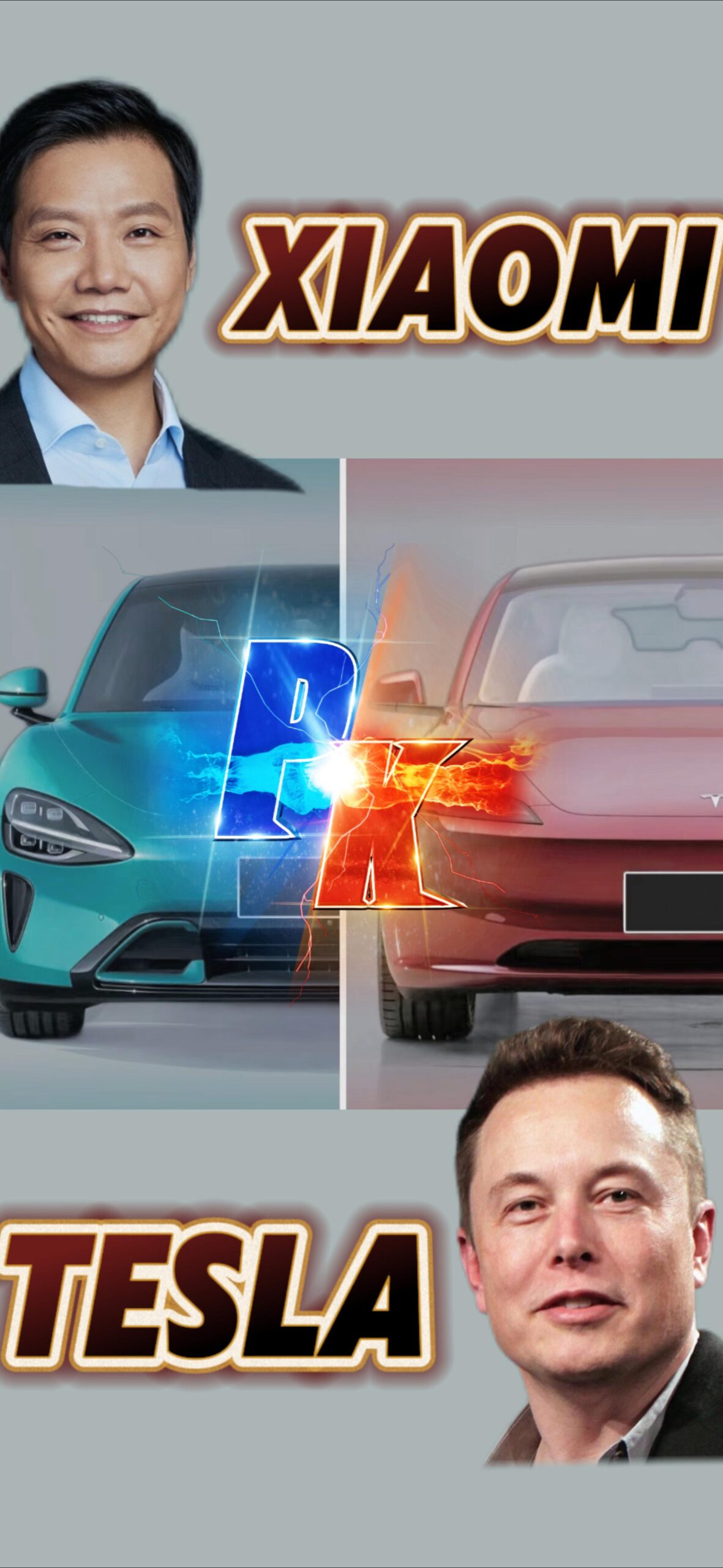
A Comparison between Xiaomi’s SU 7 and Tesla’s Model Y: Performance Showdown
In today’s rapidly evolving automotive landscape, electric vehicles (EVs) have taken center stage, promising environmentally friendly transportation coupled with cutting-edge technology. Among the notable contenders in the EV market are Xiaomi’s SU 7 and Tesla’s Model Y. In this blog post, we delve into a comprehensive comparison of the performance aspects of these two vehicles, exploring their respective features, capabilities, and innovations.
1.Powertrain and Performance:
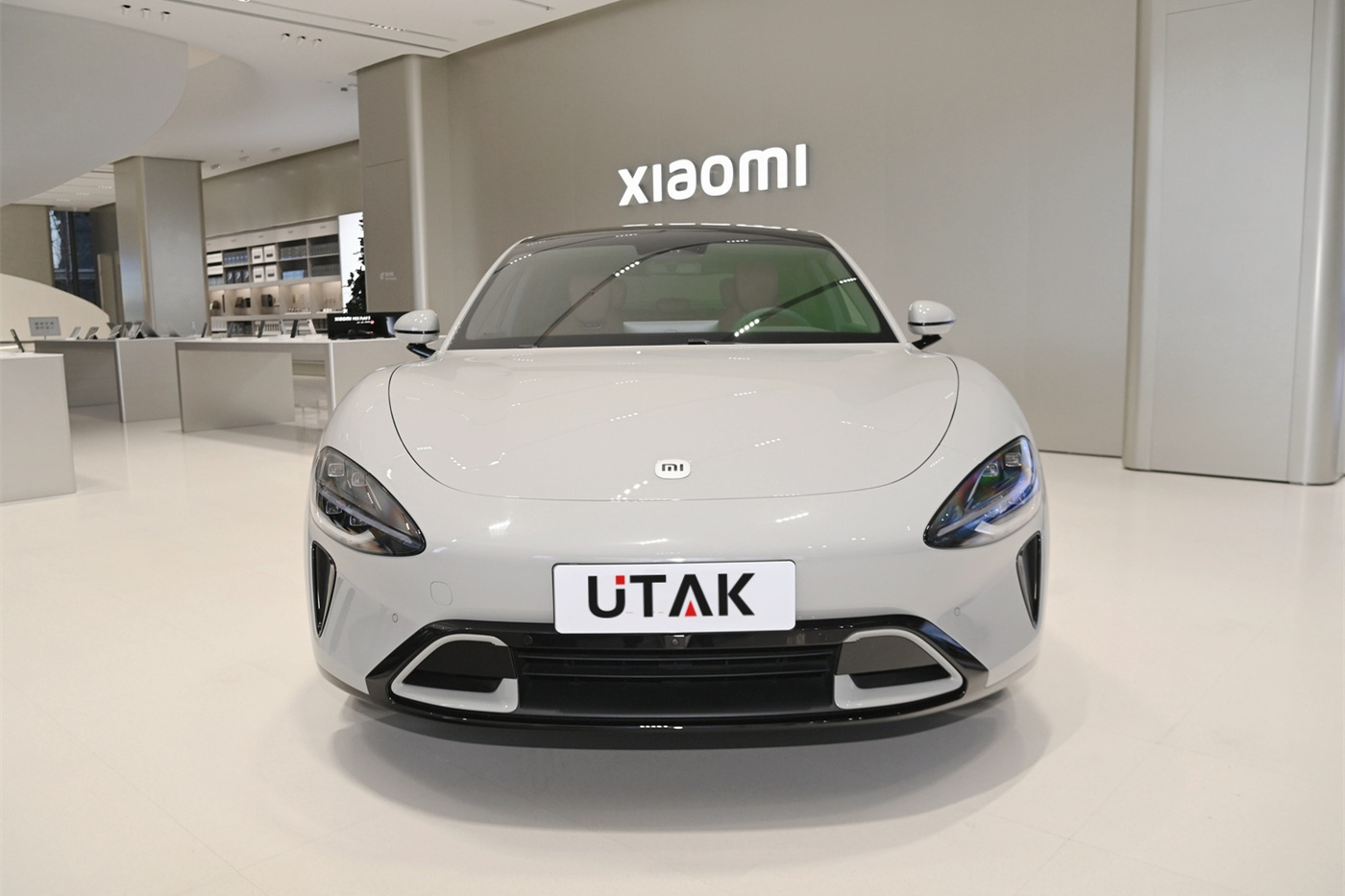
Xiaomi SU 7: The SU 7 is equipped with an advanced electric powertrain delivering impressive performance metrics. Its electric motor delivers [insert horsepower and torque figures], propelling the vehicle from 0 to 60 mph in approximately [insert time]. The SU 7 offers a smooth and responsive driving experience, with precise handling and dynamic acceleration.
Tesla Model Y: Tesla’s Model Y boasts a formidable electric powertrain renowned for its exceptional performance capabilities. With its dual-motor configuration, the Model Y offers all-wheel drive and exhilarating acceleration. The Long Range variant accelerates from 0 to 60 mph in [insert time], while the Performance variant achieves this feat in an astonishing [insert time], showcasing Tesla’s commitment to high-performance electric vehicles.
2.Range and Efficiency:
Xiaomi SU 7: The SU 7 offers an impressive range of [insert range figure] on a single charge, making it suitable for daily commutes and long-distance journeys alike. Its efficient battery system ensures optimized energy utilization, enhancing overall range and sustainability.
Tesla Model Y: Tesla’s Model Y sets the benchmark for electric vehicle range, with the Long Range variant offering an estimated range of [insert range figure] on a single charge. Additionally, Tesla’s advanced energy management systems and aerodynamic design contribute to industry-leading efficiency, enabling drivers to travel farther with minimal environmental impact.
3.Technology and Connectivity:
Xiaomi SU 7: The SU 7 integrates cutting-edge technology to enhance the driving experience and connectivity options for users. With its intuitive infotainment system, advanced driver-assistance features, and seamless smartphone integration, the SU 7 ensures convenience and comfort on every journey.
Tesla Model Y: Tesla’s Model Y is synonymous with technological innovation, featuring an expansive touchscreen interface, comprehensive autopilot capabilities, and over-the-air software updates. The Model Y offers unparalleled connectivity, enabling users to access a range of entertainment, navigation, and vehicle management features with ease.
4.Safety and Driver Assistance:
Xiaomi SU 7: Safety is paramount in the design of the SU 7, with a suite of advanced driver-assistance systems (ADAS) and safety features aimed at protecting occupants and pedestrians alike. From adaptive cruise control to lane-keeping assistance, the SU 7 prioritizes safety without compromising on performance or comfort.
Tesla Model Y: Tesla’s Model Y incorporates a comprehensive set of safety features and autonomous driving capabilities, including automatic emergency braking, collision avoidance, and intelligent navigation. With its advanced sensor suite and neural network-based processing, the Model Y offers unmatched safety and peace of mind for drivers and passengers.
In conclusion, both Xiaomi’s SU 7 and Tesla’s Model Y represent the pinnacle of electric vehicle technology, offering exceptional performance, range, and innovation. While the SU 7 excels in delivering a dynamic driving experience with its efficient powertrain and advanced features, the Model Y sets the standard for electric SUVs with its unparalleled range, technology, and safety capabilities. Ultimately, the choice between these two vehicles depends on individual preferences and priorities, but one thing is certain – the future of transportation is electric, and both Xiaomi and Tesla are leading the charge towards a sustainable and electrifying automotive future.
Leave a Reply