Your cart is currently empty!
The Challenges and Transformations Facing BMW in the Chinese Market
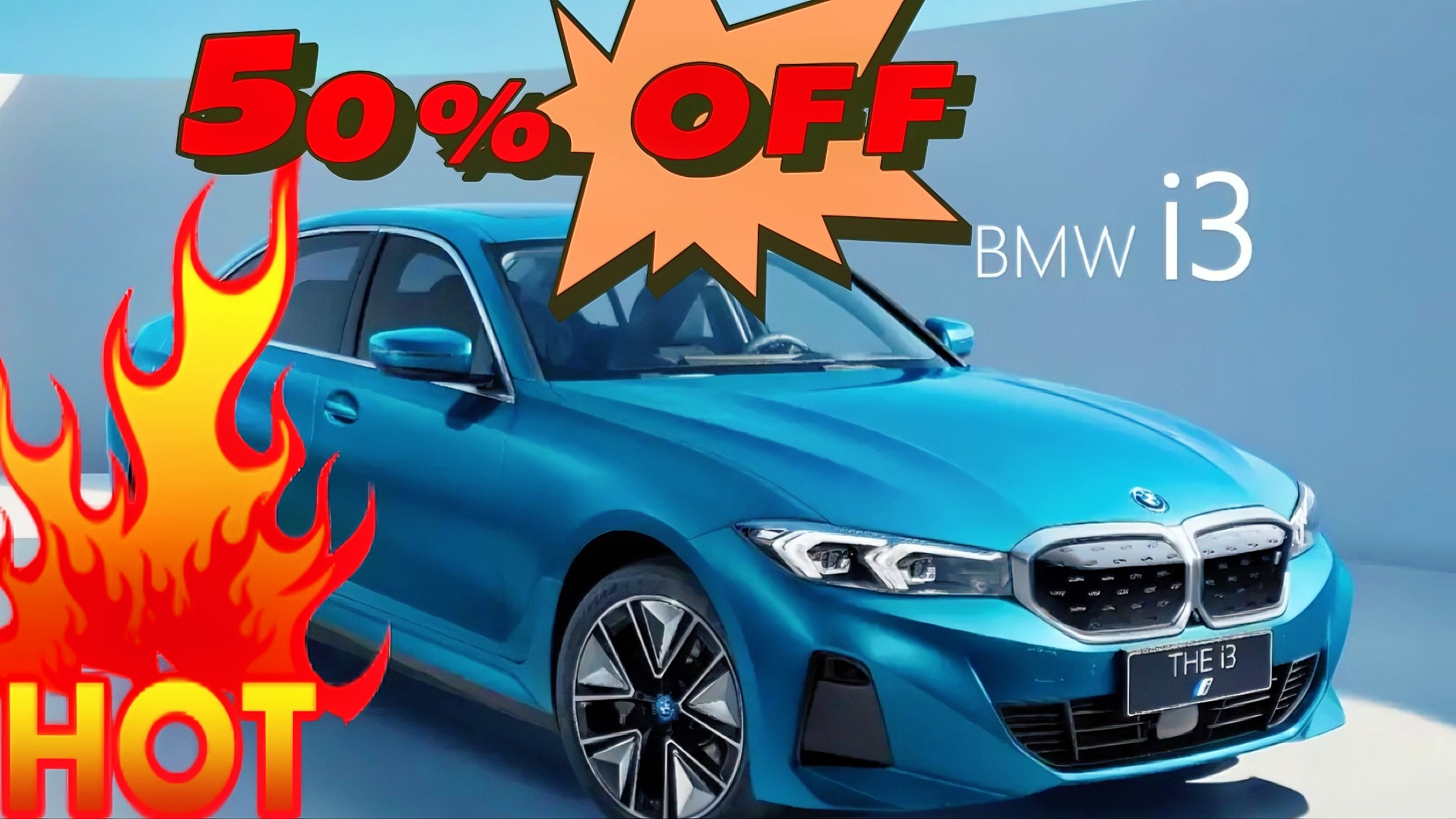
In the competitive landscape of the automotive industry, BMW, renowned for its luxury vehicles, faces significant challenges in the Chinese market. Recent developments have seen the iconic brand resorting to drastic measures, such as slashing prices on models like the BMW i3 by half, sparking widespread attention and debate.
The downturn in sales and erosion of market share highlight a pivotal moment for BMW, amidst the rapid evolution of the electric vehicle (EV) sector dominated by domestic brands and emerging players. While BMW has made strides in enhancing its stake in this transformative market, its progress has been perceived as sluggish compared to nimble local competitors.
The shift in consumer preferences from ostentatious “status consumption” to a more pragmatic “value-driven selection” underscores the profound transformation in China’s automotive market. Factors such as tax exemptions, reduced operational costs, and incentives like free license plates for EVs have significantly boosted the appeal of domestically-produced electric vehicles among budget-conscious consumers.
In response, BMW has embarked on a journey to redefine its strategy, emphasizing the integration of electrification technologies while re-evaluating its traditional emphasis on sportiness and luxury. Despite occasionally outselling its rival Mercedes-Benz in monthly sales, BMW’s market performance in China remains measured against its substantial investments in the region.
Looking ahead, the key challenge lies in whether BMW will continue down the path of aggressive pricing strategies to bolster competitiveness, or pivot towards innovative marketing tactics to regain market traction. The outcome will hinge on BMW’s ability to align with evolving consumer preferences and effectively navigate the electrified future of the automotive industry.
As the automotive landscape continues to evolve, BMW’s success in China will hinge on its agility in adapting to market shifts, delivering products that resonate with consumer expectations, and carving out a distinct niche in the increasingly electrified marketplace.
Leave a Reply